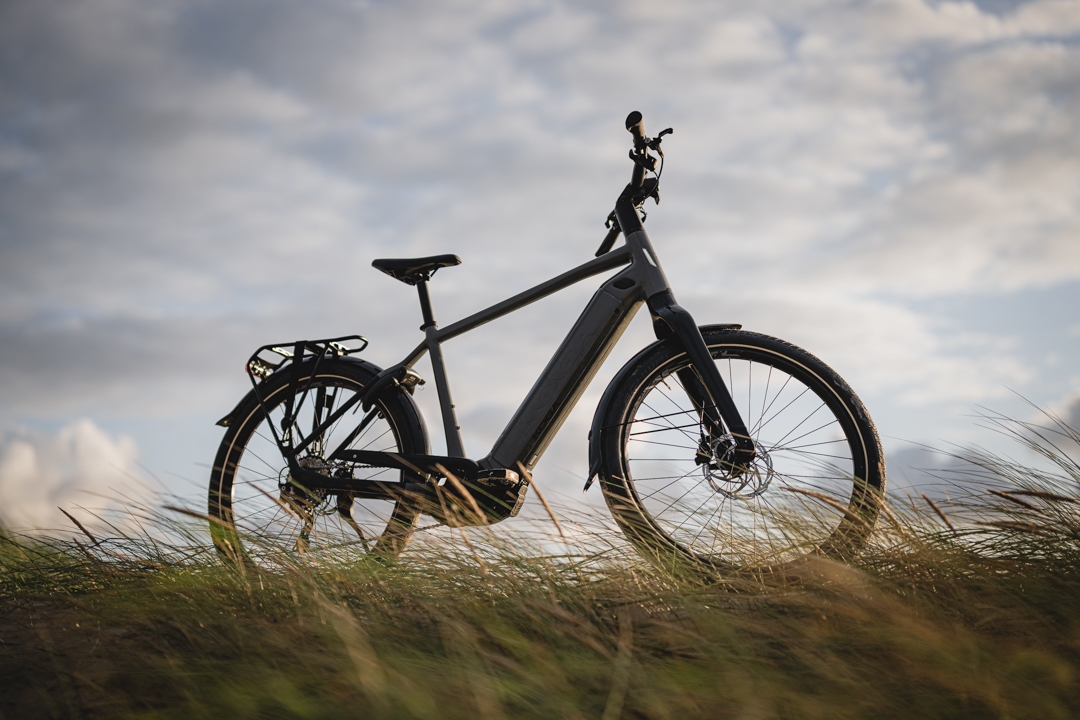
GUTEK T-230 protector case

In this blog post, I share my experience using the GUTEK T-230 protector case on real photo trips. From everyday transport to coastal shoots and saltwater testing, this is a calm and honest look at how the case fits into my workflow.

Milky Way & Aurora Guide

How to Photograph the Milky Way and Aurora Capturing the night sky is one of the most magical experiences in photography. Whether it’s the Milky Way stretching across a dark sky or the Northern Lights dancing above a frozen landscape, these moments remind us how small we are in the vastness of space. Nicolas Jægergaard Settings Shooting the Milky Way and Aurora is all about patience, preparation, and darkness. For both, use a sturdy tripod, a wide-angle lens, and manual settings. Keep your shutter open for several seconds, use a wide aperture (around f/2), and adjust ISO between 1600–6400 depending on brightness. For the Milky Way, aim for longer exposures (10–30s) on clear, moonless nights far from city lights. For the Aurora, use shorter exposures (1–6s) to capture movement and detail without overexposing. Always focus manually to infinity, use a 2-second timer, and take test shots to fine-tune your settings. Once everything’s ready — step back, breathe in the silence, and let the sky do the rest. See QUICK GUIDE below.

Mastering Export Settings for Social Media

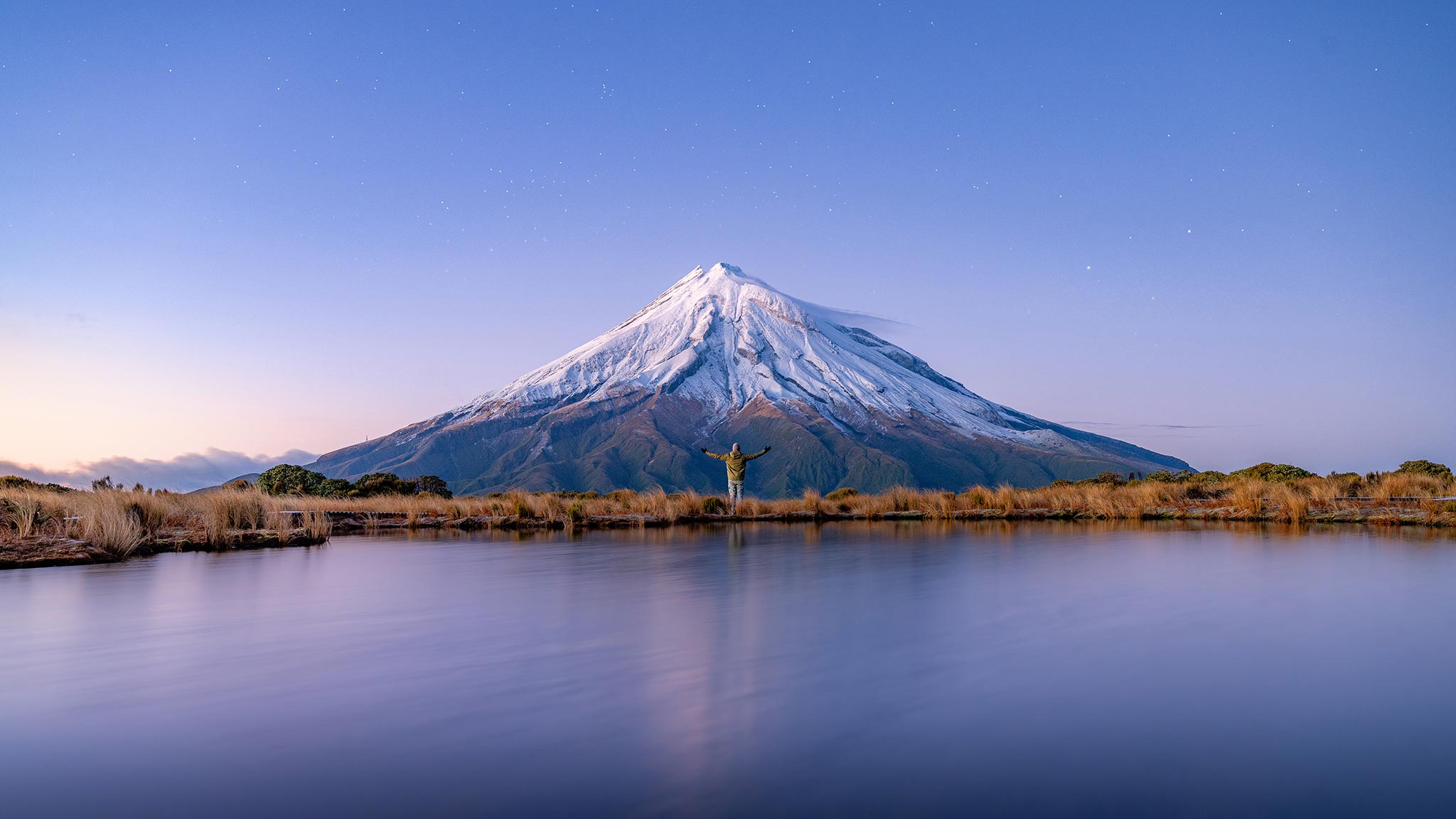
Mount Taranaki

When it comes to showcasing your work online, having the right export settings can make a world of difference. Whether you’re sharing stunning photos or captivating videos, ensuring they look their best on social media platforms like Instagram is crucial.

Roy’s Peak: Chasing the Sunset in Wanaka
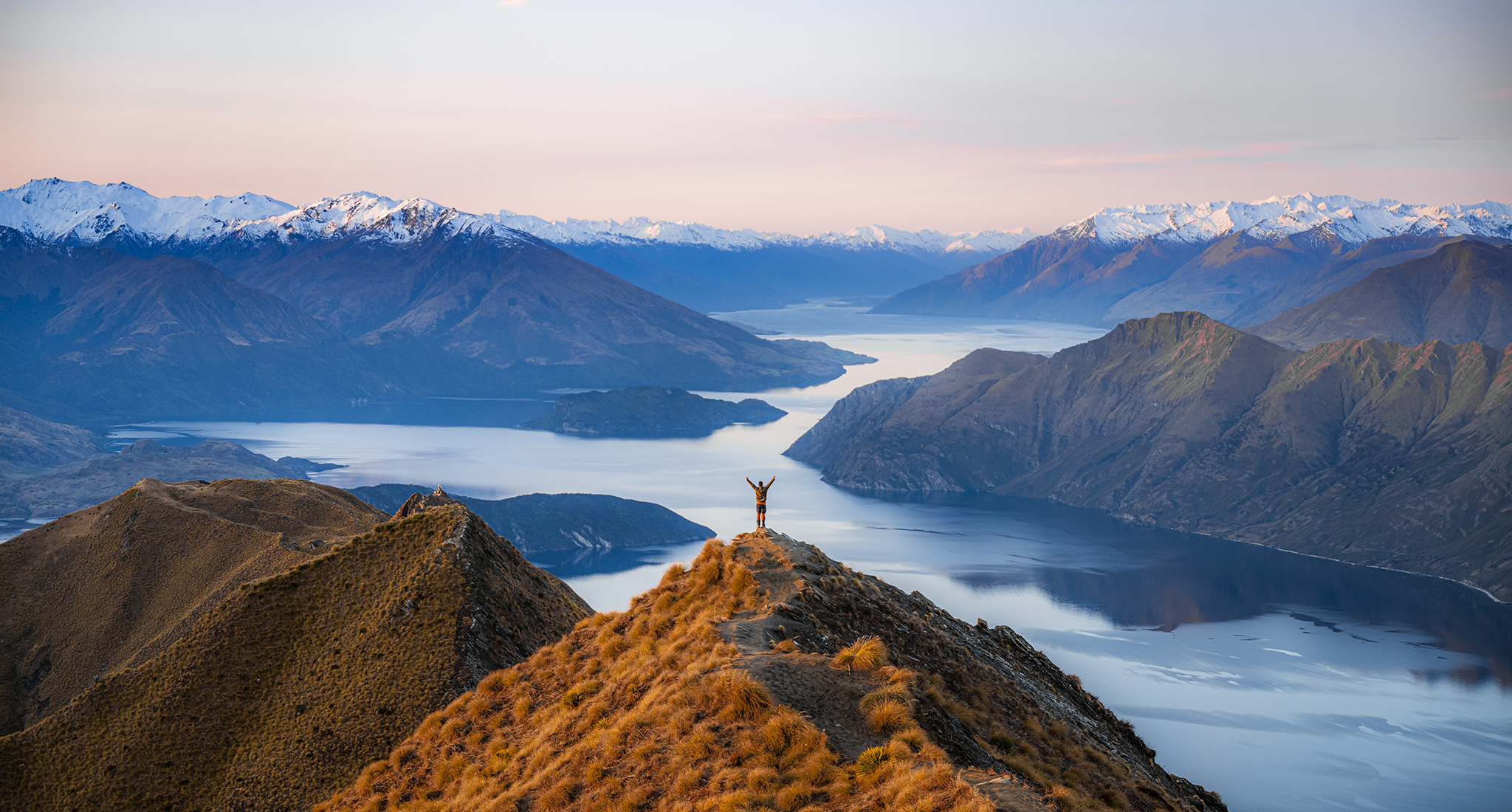
Discover the beauty of Roy’s Peak in Wanaka with this detailed hiking guide. Learn about the challenging yet rewarding hike, perfect sunset views, and tips for making the most of your adventure. A must-visit for nature lovers and photographers alike!